consol bottles south africa options
The Science of Glass Packaging: Elevating Your Brand With Sustainable Glass Bottles
The art of glass packaging presents brands with a unique avenue for differentiation. By embracing sustainable methods, glass bottles elevate brand aesthetics and connect with sustainability-minded shoppers. Their natural characteristics, encompassing recyclability and material safety, demonstrate a steadfast commitment to excellence. As organizations traverse this shifting terrain, understanding the multifaceted benefits and challenges of glass packaging becomes essential for long-term success. How are brands leveraging creative approaches to capitalize on these benefits?
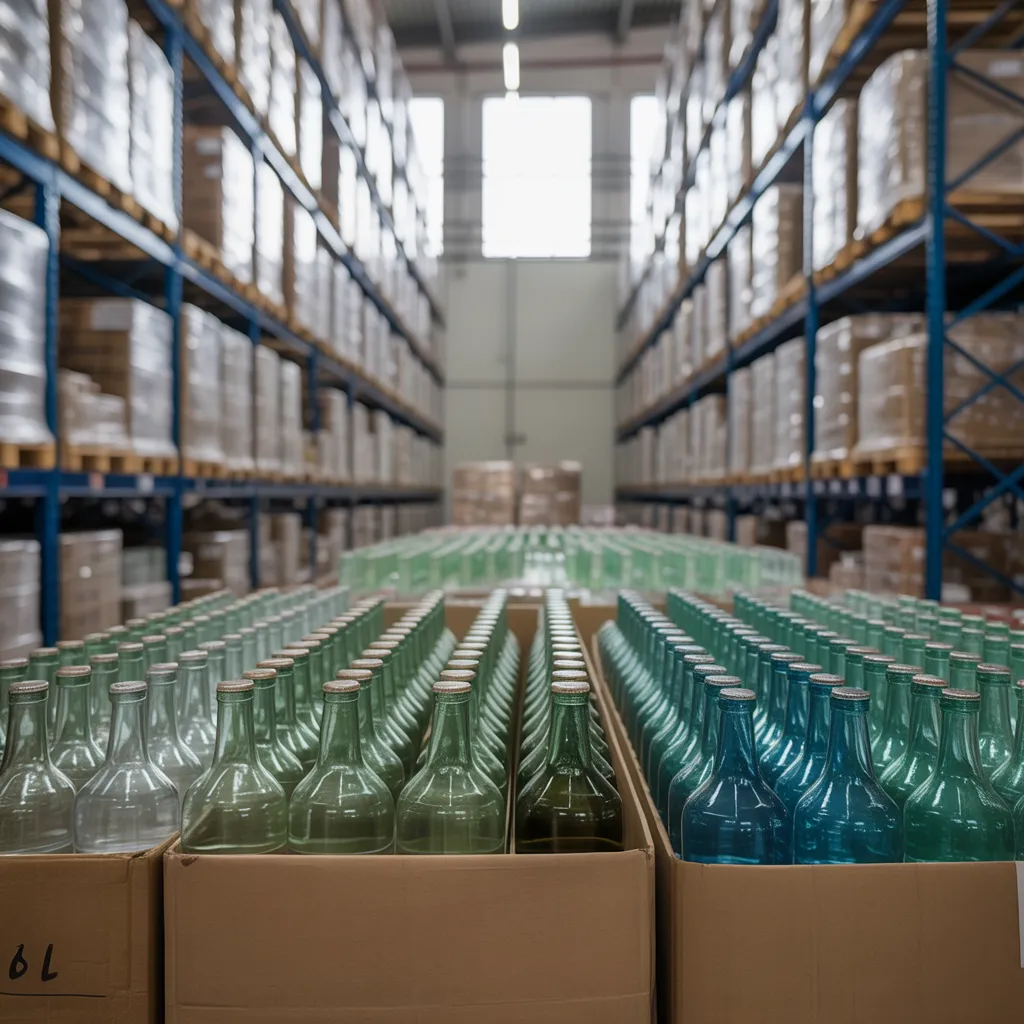
Why Choose Glass Packaging for Your Brand
Choosing glass packaging can considerably elevate a brand's image and environmental initiatives. Brands that opt for glass demonstrate a pledge to superior standards and high-end consumer experiences, appealing to discerning consumers who value both visual and practical qualities. Glass delivers a timeless and elegant appearance, contributing to a brand's visual identity while offering a tactile experience that plastic cannot match.
Moreover, glass packaging creates a sense of wholesomeness and reliability, as it is free from harmful chemicals often found in plastics. This choice can attract environmentally conscious consumers who associate glass with responsible practices. Additionally, its resilience permits repeated utilization, additionally affirming a brand's devotion to sustainable principles.
In a market increasingly focused on ecological responsibility, choosing glass packaging can set a brand apart cultivating lasting loyalty and boosting customer confidence. At its core, this deliberate decision establishes brands as frontrunners in sustainability and quality, aligning with the values of today's consumers.
The Eco-Friendly Advantages of Glass Bottles
Glass bottles present significant ecological advantages that differentiate them from alternative packaging options. Glass bottles are fully recyclable, contributing to a closed-loop economy where resources can be continuously repurposed without degradation in quality. This characteristic greatly reduces the reliance on raw materials, thus reducing resource extraction and energy consumption connected to manufacturing.
In addition, glass packaging is chemically stable, meaning it does not leach toxic substances into its contents, ensuring more secure consumption. Unlike plastic, glass does not promote microplastic pollution, which is a increasing environmental concern.
Glass bottle production also generates reduced greenhouse gas emissions compared to plastic alternatives. Thanks to innovations in manufacturing processes, energy efficiency has improved, additionally minimizing the carbon footprint linked to glass production.
Creative Designs That Elevate Glass Packaging
Creative designs in glass packaging are reshaping how items are presented. Unique shapes and structures not only enhance functionality but also attract consumer attention. Additionally, eye-catching color palettes further boost the overall appearance, making glass packaging rise above the competition on display.
Remarkable Shapes and Structures
Groundbreaking designs in packaging made from glass not only boost visual impact but also fulfill an important purpose in setting brands apart. Unconventional forms and structures can create memorable consumer experiences, making products stand out on packed product displays. For example, asymmetrical bottles or geometric designs can evoke curiosity and encourage interaction. These unique configurations often complement a brand's character, supporting its overarching mission and beliefs. Furthermore, unique forms can enhance usability, such as easier handling or enhanced pouring. Organizations that embrace creative glass packaging solutions project a strong focus on superior quality and green practices, drawing in eco-aware buyers. Through emphasizing creativity in their packaging choices, organizations can develop more profound ties with their target market, ultimately driving loyalty and enhancing market presence.
Attention-Grabbing Color Palettes
Rich color combinations play an essential role in elevating glass packaging design, turning everyday bottles into striking visual declarations. By utilizing a deliberate combination of shades, brands can evoke emotions and create memorable experiences for consumers. Bold colors can signify premium quality, as more subdued tones often suggest grace and distinction.
Furthermore, the application of multi-toned designs and gradients adds depth and intrigue, capturing attention on busy shelves. Sustainability-driven practices further elevate the attractiveness; sustainable dyes and finishes appeal to environmentally aware consumers. Ultimately, the right color palette not only reflects a brand's identity but also reinforces its commitment to sustainability, establishing glass packaging as an influential instrument for standing out in a competitive market.
What Role Does Glass Packaging Play in Enhancing Product Perception?
Glass packaging markedly enhances product perception via its upscale feel and visual appeal, instilling a sense of elegance in consumers. The natural clarity and see-through quality of glass allow for an unobstructed view of the product, solidifying the product's quality appeal. Moreover, choosing glass complements sustainable brand positioning, resonating with eco-minded consumers.
Superior Feel And Appeal
The incorporation of glass packaging greatly elevates the recognized quality of a product, commonly connecting it with quality and elegance. Consumers frequently associate glass with luxury, resulting in stronger brand dedication and rewarding buyer experiences. The sensory quality of glass, with its smooth texture and weight, contributes to a luxurious sensation that plastic is unable to match. This experiential connection creates a connection between the product and the consumer, nurturing an impression of excellence. Additionally, glass packaging reflects a focus on sustainability, resonating with eco-aware consumers. Therefore, companies using glass packaging can establish themselves as premium options within their markets, attracting discerning customers who appreciate both style and sustainability in their purchasing decisions.
Clear Visual Transparency And Precision
When buyers discover products in glass packaging, their experience is commonly improved by the intrinsic visual see-through quality it delivers. This transparency allows potential buyers to see the product inside, building a feeling of confidence and genuineness. The clarity of glass not only showcases the product's quality but also highlights connected information its color and texture, boosting aesthetic attractiveness. Additionally, the absence of labeling distractions on clear glass allows the product to take center stage, generating a more immersive purchasing journey. Glass vessels can uplift brand standing by expressing a devotion to quality and skill. This visual clarity ultimately influences consumer decisions, promoting a more profound personal relationship with the item and the brand.
Green Brand Positioning
Environmentally aware brands utilize glass packaging to reinforce their commitment to sustainability, effectively enhancing product perception. Glass projects an image of quality and authenticity, defining a loftier benchmark when measured against plastic counterparts. This material not only emphasizes the ecological values of a brand but also appeals to consumers who prioritize environmentally responsible choices. The physical sensation of glass—its heft and feel—additionally enhances the perceived worth of the product. Furthermore, the recyclable nature of glass corresponds with the increasing consumer appetite for sustainable habits, cultivating customer loyalty. By opting for glass, brands not only demonstrate their commitment to ecological responsibility but also position their products as premium offerings, thus building a favorable reputation in a crowded market.
Success Stories of Brands Using Glass Packaging
A growing number of businesses are succeeding by transitioning to glass packaging, highlighting its attractiveness to buyers and pledge to sustainable practices. As an example, a prominent beverage company shifted to glass bottles, producing a 30% increase in sales within a year. The switch not only improved product visibility on shelves but also connected with eco-conscious consumers, reinforcing the brand's sustainability message.
Another skincare brand successfully changed to glass vessels, considerably boosting its upscale appeal. This change brought in a committed following that values both visual appeal and eco-conscious practices. Additionally, a craft beer producer embraced reusable glass containers, cultivating consumer trust and decreasing environmental impact. These real-world cases show that glass packaging not only meets consumer demands for eco-friendly alternatives but also bolsters brand value and industry presence. These deliberate decisions reflect a growing trend among businesses striving to integrate eco-friendly values into their processes while resonating with contemporary buyers.
Ways to Address Challenges in Glass Packaging
Steering through the difficulties of glass packaging necessitates forward-thinking solutions and a deep understanding of the market. Companies often face challenges such as elevated manufacturing expenses, heavy material considerations, and fragility. To overcome these, companies can adopt cutting-edge production methods that lower waste output and boost structural resilience. Working alongside suppliers to procure environmentally responsible materials also reduces environmental impact while resonating with sustainability-minded consumers.
A further difficulty concerns the complexities of shipping, due to the heavy nature of glass. Implementing smart logistics solutions, encompassing improved shipping methods and efficient packaging solutions, can reduce expenses and ensure product protection while in transit. Furthermore, raising consumer awareness regarding glass's superiority over plastic can foster brand loyalty and drive demand. By implementing these methods, organizations can address hurdles in glass packaging and position themselves as leaders in sustainable practices, ultimately enhancing their brand image and market presence.
Future Trends in Sustainable Glass Packaging
As the demand for sustainable packaging continues to rise, the glass packaging industry is on the brink of significant transformation. Innovations in manufacturing processes are expected to enhance energy efficiency, minimizing the carbon emissions tied to glass production. Additionally, the adoption of lightweight glass bottles will emerge as a key trend, reducing shipping emissions while preserving product quality.
Recycling programs will grow increasingly strong, with greater cooperation between producers and local governments to improve glass collection and processing. Additionally, the integration of smart technology into packaging will facilitate improved clarity throughout the supply chain, enabling brands to showcase their sustainability efforts effectively.
The rising consumer appetite for environmentally conscious products will continue to fuel the growth of tailored, visually appealing designs, combining utility with striking visual elements. As companies increasingly embrace sustainable practices, the glass packaging industry is poised to transform its strategies, harmonizing with global sustainability targets while fulfilling the needs of an eco-conscious audience.
Questions We Often Receive
What Are the Costs Associated With Glass Packaging Compared to Plastic?
Packaging made from glass commonly involves greater expenses owing to production, transportation, and recycling processes compared to plastic. Nevertheless, it offers environmental advantages and improved brand image, making it a worthwhile investment for certain companies.
What Are My Options for Customizing Glass Bottles for My Brand?
Companies are able to personalize glass bottles with distinctive shapes, hues, and textures. Printed designs, engravings, and labels elevate brand recognition. Partnering with suppliers secures consistency with eco-friendly initiatives while maintaining aesthetic appeal and functionality.
Are There Particular Rules Governing Glass Packaging?
Certainly, dedicated regulations for glass packaging have been established, differing across regions. These include safety standards, labeling requirements, and recycling guidelines, safeguarding consumer safety and environmental responsibility while encouraging sustainable practices in packaging manufacturing and distribution.
What Are the Best Practices for Recycling Glass Bottles?
When recycling glass bottles properly, residents should rinse them to remove residues, detach any lids or caps, and sort by color. Additionally, they should review community recycling rules for designated drop-off sites to make certain they are processed appropriately.
How Does Glass Packaging Affect Shipping and Logistics?
Glass packaging considerably affects shipping and logistics by increasing weight and fragility, necessitating careful handling and specialized transportation. This often leads to increased expenses and more complicated supply chain operations relative to lighter and sturdier material alternatives.